From Research To Published Book
How I transformed Laura Searle's collection of specialist magazine articles into a clear, consistent and accessible book about voodoo and poppet magic.
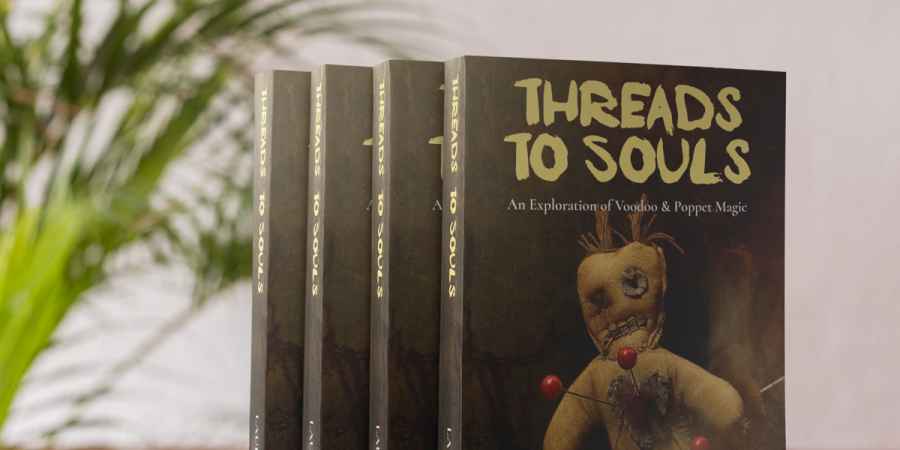
Laura Searle already had the specialist knowledge and much of the raw material needed for a book. Over several years, she had written a collection of articles exploring voodoo dolls, poppets and sympathetic magic for magazines.
The challenge was that those articles had originally been written as separate pieces in the early 2000s. They varied in tone, repeated certain ideas and assumed different levels of knowledge from the reader. They were valuable source material, but they did not yet form a complete book.
My role was to modernise the writing, organise the material into a logical sequence, bridge the gaps between the original articles and develop a consistent narrative that took the reader from the history of poppet magic through to its practical application.
Beginning With Existing Material
Unlike projects that begin with interviews or an unwritten idea, this book started with a substantial collection of existing articles.
Laura had already researched the subject and written about many of its most important elements, including the history of poppets, the purposes for which they have been used, the creation of magical links and the rituals associated with them.
This provided a strong foundation, but magazine articles are normally written to stand alone. Each piece needs its own introduction, explanation and conclusion because the reader may never encounter any of the others.
When several standalone articles are placed together, those same strengths can become problems. Introductions repeat information, subjects appear in the wrong order and the writing can feel like a collection rather than a continuous reading experience.
Assessing The Source Material
The first stage was to review all of Laura's articles and identify what material was available.
I looked for:
- Subjects that could form complete chapters
- Ideas repeated across several articles
- Sections that had become dated
- Changes in tone or writing style
- Gaps where further explanation was needed
- Topics that would work better in a different order
This allowed me to see the articles not as individual pieces, but as components of a larger book.
Finding The Book Within The Articles
The existing material needed an overall purpose and direction.
Rather than presenting a disconnected collection of facts and instructions, the book would challenge the familiar image of the voodoo doll as a sinister object used only to curse or harm.
The popular stereotype of a doll being pierced with pins is only a small and often misleading part of a much broader history. Poppets have been associated with healing, protection, prosperity, love, personal development and many other intentions.
That became the central thread running through the book: moving beyond popular misconceptions and introducing the reader to the history, symbolism and varied uses of poppet magic.
Creating A Clear Structure
The material was reorganised so that each chapter naturally prepared the reader for the next.
The finished structure begins by addressing common misconceptions before exploring the history and applications of poppet magic. It then moves into the practical process of setting intentions, creating and personalising a poppet, establishing a magical link, performing a ritual and eventually disposing of the finished object.
This created a clear journey:
- Understanding what poppet magic is
- Exploring its cultural and historical background
- Considering the different ways it can be used
- Setting a clear intention
- Constructing and personalising a poppet
- Creating a link to the intended subject
- Using the poppet within ritual practice
- Ending the process respectfully
This progression turned the material into a practical and accessible guide rather than an anthology of previously published work.
Modernising The Writing
Because the original articles had been written in the early 2000s, parts of the language, pacing and presentation needed updating.
Writing styles change over time. Older magazine features can be more formal, assume a different type of reader or use terminology without the context now expected in a modern book.
I revised the material to make it clearer and more approachable while preserving Laura's specialist knowledge and intended meaning.
This included simplifying unnecessarily complicated sentences, clarifying terminology and ensuring the language remained consistent throughout the book.
Creating A Consistent Voice
Articles written at different times rarely sound exactly alike.
An author's tone may change over several years, particularly when articles were originally created for different magazines, audiences or editorial requirements.
For the book to feel coherent, the reader needed to hear one consistent voice from beginning to end.
I edited the chapters so that the tone, pace and level of explanation remained steady. This did not mean stripping away Laura's personality or rewriting the material in my own voice. It meant bringing the strongest qualities of her writing into every chapter.
Removing Repetition
Standalone articles often repeat essential background information because each one must make sense independently.
Several of Laura's pieces naturally returned to the origins of voodoo dolls, the role of intention and the difference between harmful stereotypes and the wider reality of poppet magic.
Within a book, however, the reader does not need the same subject introduced from the beginning each time.
I combined overlapping passages, retained the strongest explanations and removed repetition. Where an idea needed to return later, it was developed further rather than simply restated.
Bridging The Gaps
Once the articles had been placed into a new order, they needed transitions.
A magazine article can end neatly because it has completed its individual purpose. A chapter in a book must also help prepare the reader for what follows.
I wrote new connecting passages to carry the reader between subjects. Historical discussion led into practical applications, those applications led into the importance of intention, and the creation of the poppet led naturally into personalisation and ritual.
These bridges helped create the sense of one continuous work rather than a sequence of separate articles.
Adding Detail And Context
Some of the original material assumed that the reader already understood particular beliefs, practices or terms.
A specialist magazine audience may be familiar with expressions such as sympathetic magic, taglocks, Hoodoo or Vodun. A wider book audience may not be.
I added explanations where necessary and expanded subjects that deserved more detail. This allowed newcomers to follow the material without making the book feel simplistic to readers who already had some knowledge of magical practice.
The historical sections were also developed to explain how different cultural traditions became combined in the popular image of the modern voodoo doll.
Challenging Popular Misconceptions
One of the book's main purposes was to challenge the familiar depiction of voodoo dolls as tools used exclusively to cause suffering.
The finished book explains that this popular image draws from several different traditions that have frequently been misunderstood, combined and sensationalised.
It also demonstrates that poppets can be used for many different purposes, including healing, protection, prosperity and personal development.
This balance was important. The book does not ignore the darker uses associated with poppet magic, but it places them within a much wider historical and practical context.
Balancing History With Practical Guidance
The book needed to serve readers interested in the history of the subject as well as those looking for practical information.
The opening chapters explore the development of poppet traditions and the way the modern stereotype emerged. Later chapters provide guidance on materials, intentions, personalisation, magical links, rituals and disposal.
This combination gives the practical sections a stronger foundation. Readers are not simply told how to create a poppet; they first understand the traditions and ideas behind the practice.
Developing A Narrative
Although Threads To Souls is an instructional non-fiction book rather than a personal memoir, it still needed a narrative.
In this case, the narrative is the reader's developing understanding.
The book begins with a familiar but inaccurate image. It then unpicks that stereotype, traces the history behind it and gradually introduces a more detailed and nuanced understanding of poppet magic.
By the time the reader reaches the practical chapters, they have moved from misconception to context and then from context to application.
This creates momentum and gives the book a sense of progression even though it is organised around specialist information rather than a chronological story.
Preparing The Manuscript For Publication
Once the chapters had been restructured and rewritten, the complete manuscript needed a final editorial pass.
This involved checking:
- The consistency of spelling and terminology
- The order and progression of the chapters
- The balance between historical and practical material
- The tone and pace of the writing
- Repeated information and unnecessary digressions
- Formatting for the finished paperback and Kindle editions
The manuscript was then prepared for independent publication through Project Weird.
The Result
Threads To Souls: An Exploration Of Voodoo & Poppet Magic was published in March 2023.
The finished book transformed Laura's archive of earlier writing into a focused guide with a consistent voice, a logical structure and a clear purpose.
It retained the research and specialist knowledge that made the original articles valuable while making the material more accessible to modern readers.
Rather than allowing years of published work to remain scattered across old magazines, the project gave that material a new life as a permanent and coherent book.
What The Project Demonstrates
A book does not always need to begin with a blank page.
Existing articles, research papers, blog posts, lectures and other previously written material can provide the foundation for a new publication. The challenge is to look beyond the original pieces and identify the larger book they could become.
The key stages of this project were:
- Reviewing the existing material. The original articles were assessed for useful content, repetition, gaps and outdated passages.
- Finding a central purpose. The book was developed around challenging misconceptions about voodoo dolls and explaining the wider practice of poppet magic.
- Creating a new structure. Standalone articles were reorganised into a logical progression of chapters.
- Modernising the writing. Language and explanations were updated for a contemporary audience.
- Establishing a consistent voice. Material written at different times was edited to maintain the same tone and pace.
- Removing duplication. Repeated background information was combined and refined.
- Bridging the chapters. New passages connected the original articles and created a continuous reading experience.
- Adding context and detail. Specialist terminology and cultural background were explained for a wider audience.
Laura already had the knowledge and the research. My role was to find the structure within it, develop the missing connections and turn a collection of separate articles into a complete published book.
Project
- Book
- Threads To Souls
- Author
- Laura Searle
- Source Material
- Magazine articles written in the early 2000s
- Subject
- Voodoo, poppets and sympathetic magic
- Published
- March 2023
- Publisher
- Project Weird
Services Used
Could your existing writing become a book?
I can help turn articles, research, notes or other previously written material into a structured and professionally published book.
Discuss your book