Writing The Devil's Bible With Fred Batt
How I turned decades of stories, experience and specialist knowledge into a structured and engaging book while preserving Fred Batt's distinctive voice.
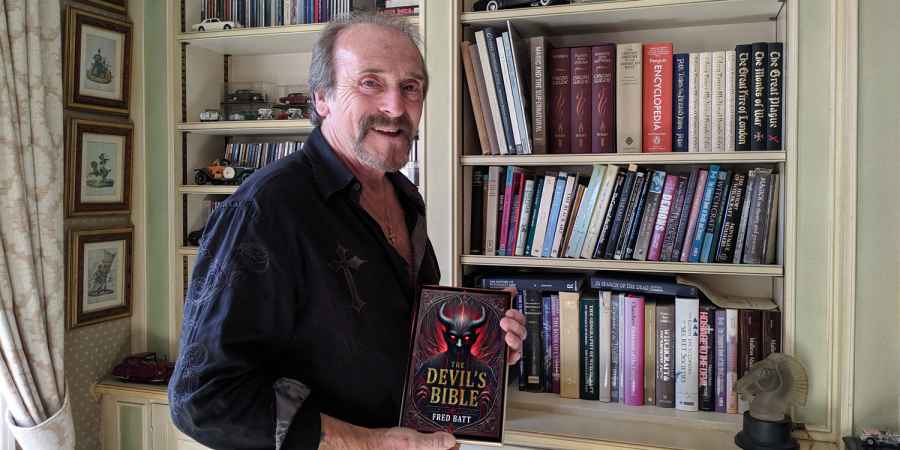
Fred Batt had carried the title The Devil's Bible in his mind for years. He had the experience, the stories and the specialist knowledge behind it, but had never found the time or structure needed to turn those ideas into a finished book.
My role was to draw that material out of him, organise it and shape it into a clear and compelling manuscript that would appeal to his established audience without losing the personality that made the project uniquely his.
Why Fred Approached Me
Fred is known to many people through his television appearances and his long-standing interest in demonology, ritual practice and the darker aspects of the paranormal.
I had already written extensively about demonology and related subjects, so I understood the terminology, history and beliefs involved. That background meant Fred did not have to begin by explaining every basic concept before we could discuss his own experiences.
I also understood the audience for the book. Fred's readers were likely to include people who knew him from television, paranormal investigators, occult enthusiasts and those with a broader curiosity about demons, ceremonies and forbidden knowledge.
The challenge was therefore not simply to record what Fred knew. It was to create a book that felt authentic to him while remaining accessible, organised and engaging for the people most likely to read it.
Beginning With A Recorded Interview
The main source material came from a long in-person interview conducted at Fred's home. I recorded the conversation so that I could concentrate on listening, asking questions and following interesting threads rather than trying to take complete notes as he spoke.
This kind of interview is rarely a simple question-and-answer session. People naturally move between memories, subjects and periods of their lives. A passing comment can reveal a much stronger story than the subject originally being discussed, so it is important to leave room for the conversation to develop.
Fred brought decades of knowledge and personal experience to the interview. We discussed the foundations of demonology, ritual practices, protective methods, historic texts and ceremonies, as well as encounters and experiences drawn from his own life.
The recording gave me the raw material for the manuscript, but it was only the beginning of the process.
Following Up The Details
Once I began working through the interview, additional questions naturally emerged. Some stories needed more context, certain terms needed clarification and other subjects deserved to be explored in greater depth.
I followed the original interview with several telephone conversations. These calls allowed me to check details, fill gaps and return to subjects that had only been mentioned briefly during the first meeting.
This follow-up stage is an important part of writing from interviews. A first conversation provides the broad material, but the structure of the eventual book often reveals what is still missing.
Turning Conversation Into A Book
A recorded conversation does not arrive in the order required for a finished manuscript. Ideas overlap, stories interrupt one another and important details may be spread across several different parts of the interview.
I began by identifying the main themes within Fred's material and considering the journey a reader would need to take through the subject.
The book needed to explain the foundations of demonology before moving into more detailed discussions of ritual, symbolism, ceremonies, protection and demonic hierarchies. Fred's personal stories and observations could then be placed where they added experience and character to those wider subjects.
This allowed the manuscript to become more than a transcript of Fred talking. It became a structured book with a clear progression, while still being built around his knowledge and experiences.
Preserving Fred's Voice
One of the most important parts of ghostwriting is ensuring that the finished book sounds like the person whose name appears on the cover.
My job was not to replace Fred's voice with my own. It was to preserve the confidence, personality and directness of the way he spoke while refining the material into prose that worked on the page.
That meant retaining his opinions, his way of approaching the subject and the character of his stories, while removing repetition, creating transitions and providing the structure that an extended spoken conversation does not naturally contain.
The aim was for existing followers to recognise Fred in the writing, even though the material had been carefully organised and developed into a complete manuscript.
Combining Interview Material With Research
Fred's experience was at the centre of the book, but my own background in demonology helped me support and contextualise what he shared.
I was able to draw on previous research into historic manuscripts, ritual tools, protective practices, demonic classifications and the development of demonological belief.
This existing knowledge helped me recognise where a subject needed further explanation and where Fred's experiences could be connected to a broader historical or occult tradition.
It also made the interview process more productive. Rather than approaching the subject as a complete outsider, I could ask informed follow-up questions and understand the significance of the names, practices and texts being discussed.
Writing For Fred's Audience
The finished book needed to satisfy readers who were already familiar with Fred while also welcoming those discovering him for the first time.
Existing followers would expect his personal perspective, strong opinions and stories from his own experiences. New readers, however, needed enough background to understand the terminology and traditions behind those stories.
I therefore balanced the more explanatory sections with personal accounts and practical discussion. The book explores the history and foundations of demonology, infamous ceremonies, ritual objects, protective methods and demonic hierarchies, but it does so through Fred's own perspective.
This made the book both an introduction to the subject and a record of the knowledge Fred had accumulated over decades.
From Long-Held Idea To Published Book
The Devil's Bible had existed as a title and an ambition long before the manuscript itself existed.
The project demonstrates why a book does not always need to begin with chapters already written. It can begin with memories, conversations, specialist knowledge and a clear sense that there is a story or subject worth preserving.
Through recorded interviews, follow-up conversations, research and careful structuring, I was able to turn Fred's unwritten material into a completed book published in paperback, hardback and Kindle editions.
Supporting The Book After Publication
The material within the book also created opportunities for additional promotional content after publication.
One example was a demonology quiz inspired by The Devil's Bible. It invited readers to test their knowledge of subjects covered in the book, including ancient manuscripts, ritual tools, demonic hierarchies and ceremonial practices.
This provided a more engaging way to introduce the book than simply repeating a sales message. Readers could interact with the subject first and then discover the larger work behind it.
The Result
The result was a book that brought together Fred's experiences, specialist knowledge and public persona in a form that could reach both his existing audience and readers with a wider interest in demonology.
The Devil's Bible went on to become one of the stronger-performing titles in my publishing catalogue, selling across digital and print formats.
More importantly, it gave Fred the book he had imagined for years but had never previously had the opportunity to write.
What The Project Demonstrates
This project shows how ghostwriting can work when the author has extensive knowledge but no existing manuscript.
The key stages were:
- Understanding the subject. My existing demonology research allowed us to begin at a much deeper level.
- Conducting a detailed recorded interview. This captured Fred's stories, knowledge and natural way of speaking.
- Following up with further conversations. Additional calls helped clarify details and fill gaps revealed during writing.
- Creating a clear structure. The raw material was reorganised into a logical journey through the subject.
- Preserving the author's voice. The final manuscript needed to sound recognisably like Fred rather than like a generic reference book.
- Writing with the audience in mind. The content was shaped to appeal to Fred's followers as well as newcomers to demonology.
A person does not need to arrive with a finished manuscript to become an author. Sometimes the book already exists in their experience, memories and specialist knowledge. The ghostwriter's role is to find it, organise it and help bring it to the page.
Project
- Book
- The Devil's Bible
- Author
- Fred Batt
- Subject
- Demonology, ritual and occult history
- Source Material
- Recorded interviews and follow-up conversations
- Formats
- Kindle, paperback and hardback
Services Used
Have expertise but no manuscript?
I can help turn your knowledge, experiences and recorded conversations into a structured book that preserves your voice and speaks directly to your audience.
Discuss your book